Fine Art

The Fundamentals Of Abstraction

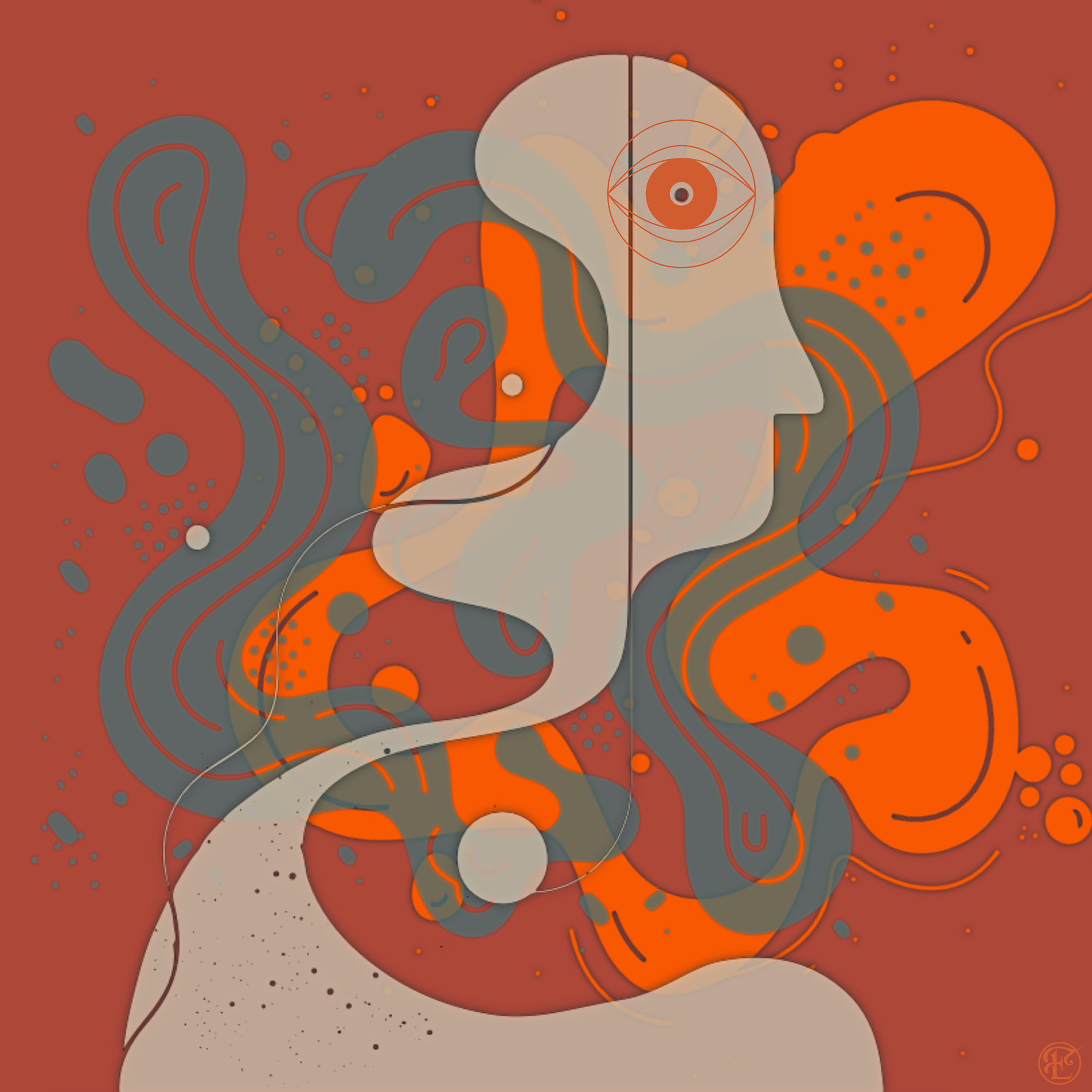
Abstract art begins where literal description ends. Rather than depicting the visible world as it appears, abstraction explores how form, color, line, texture, and composition can communicate ideas, emotions, and experiences without relying on recognizable subjects. It asks the viewer to engage differently—to feel before naming, to sense before identifying.…

Please Read On ...

Circle Play

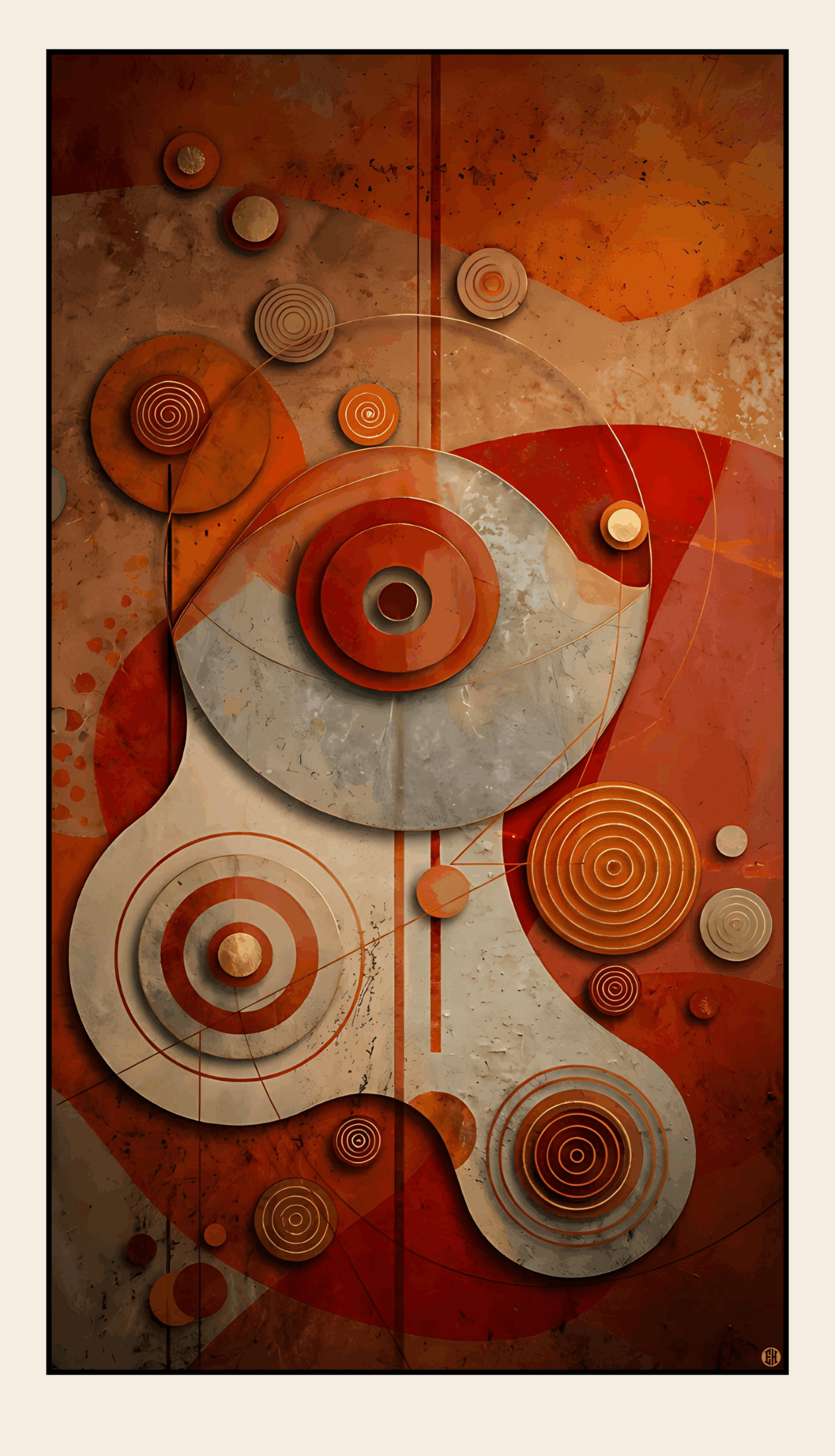
In the realm of modern abstract art, few compositions capture attention and evoke calm quite like the circular form. Circle Play, a large-format wall art piece, celebrates the elegance and balance of circles through a composition that feels both playful and harmonious. The artwork’s design is an exploration of geometry…

Please Read On ...

Why Abstract Art Is Popular

Viewers are often drawn to abstract art precisely because it does not tell them what to see. Where realism presents a recognizable subject and a largely predetermined reading, abstraction creates space—mental, emotional, and interpretive. For many viewers, that openness is liberating. Abstract art invites participation rather than passive observation, allowing…

Please Read On ...

Café Bokeh

Photography invites us to see the world differently, often turning the ordinary into something extraordinary. One of the most enchanting visual effects in photography is bokeh, and few images illustrate it better than those captured in warm, cozy cafes where light glows softly in the background. Welcome to Cafe Bokeh,…

Please Read On ...

Gestalt Principles of Design

Gestalt principles describe how our brains naturally organize visual information into meaningful groups. They come from Gestalt psychology and are especially useful in graphic design, photography, UI, and branding because they explain why certain layouts “just work.” Below are the core Gestalt principles, explained simply, with very basic text illustrations…

Please Read On ...