Art History

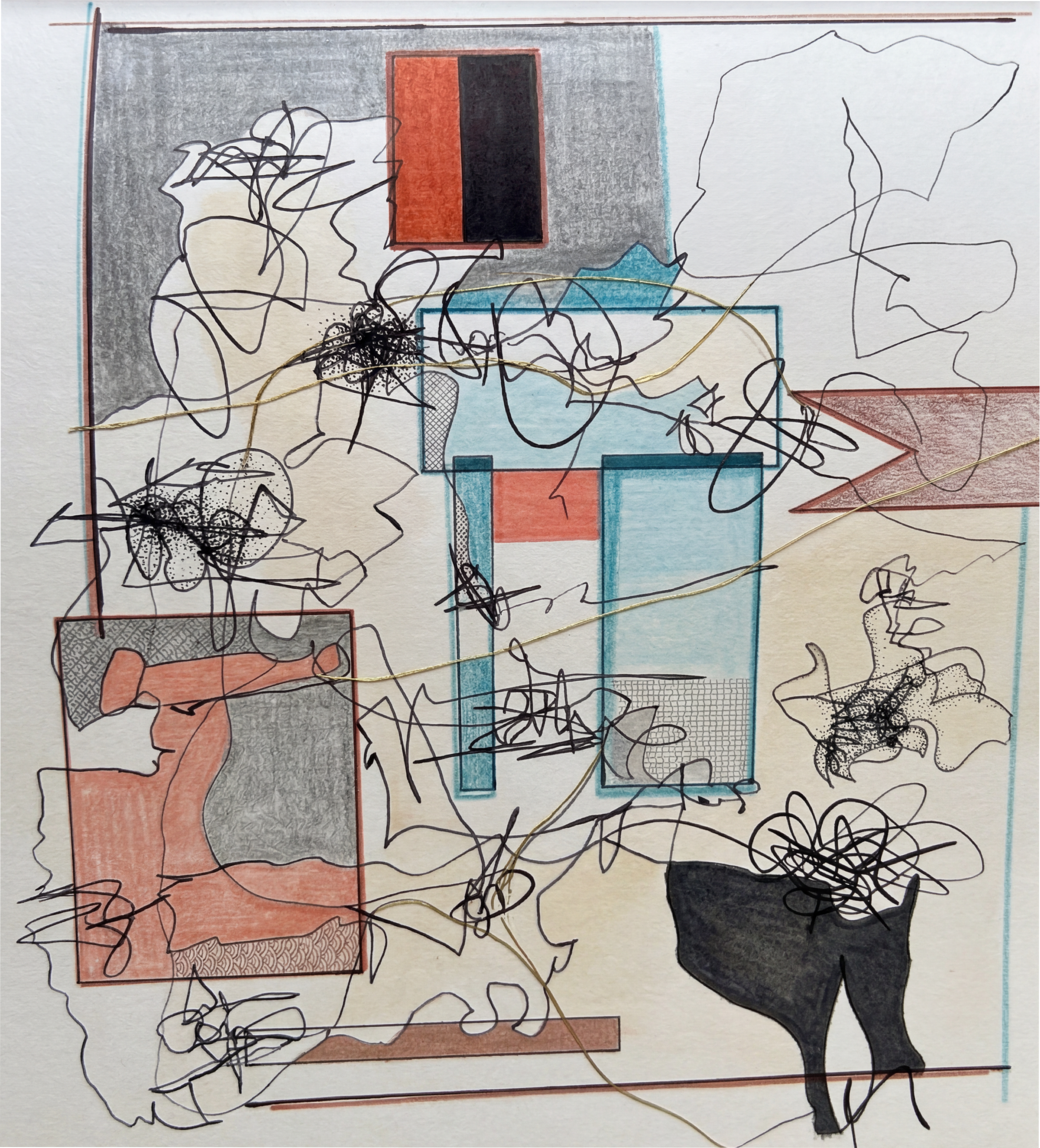
String Theories

The series of paintings String Theories begins with a simple premise: everything is connected, although the evidence is rarely conclusive. These paintings occupy the uneasy territory between order and disorder, geometry and gesture, calculation and intuition. Blocks of color establish a kind of architectural framework—rectangles, fields, compartments, planes and boundaries—while…

Please Read On ...
The Modulor

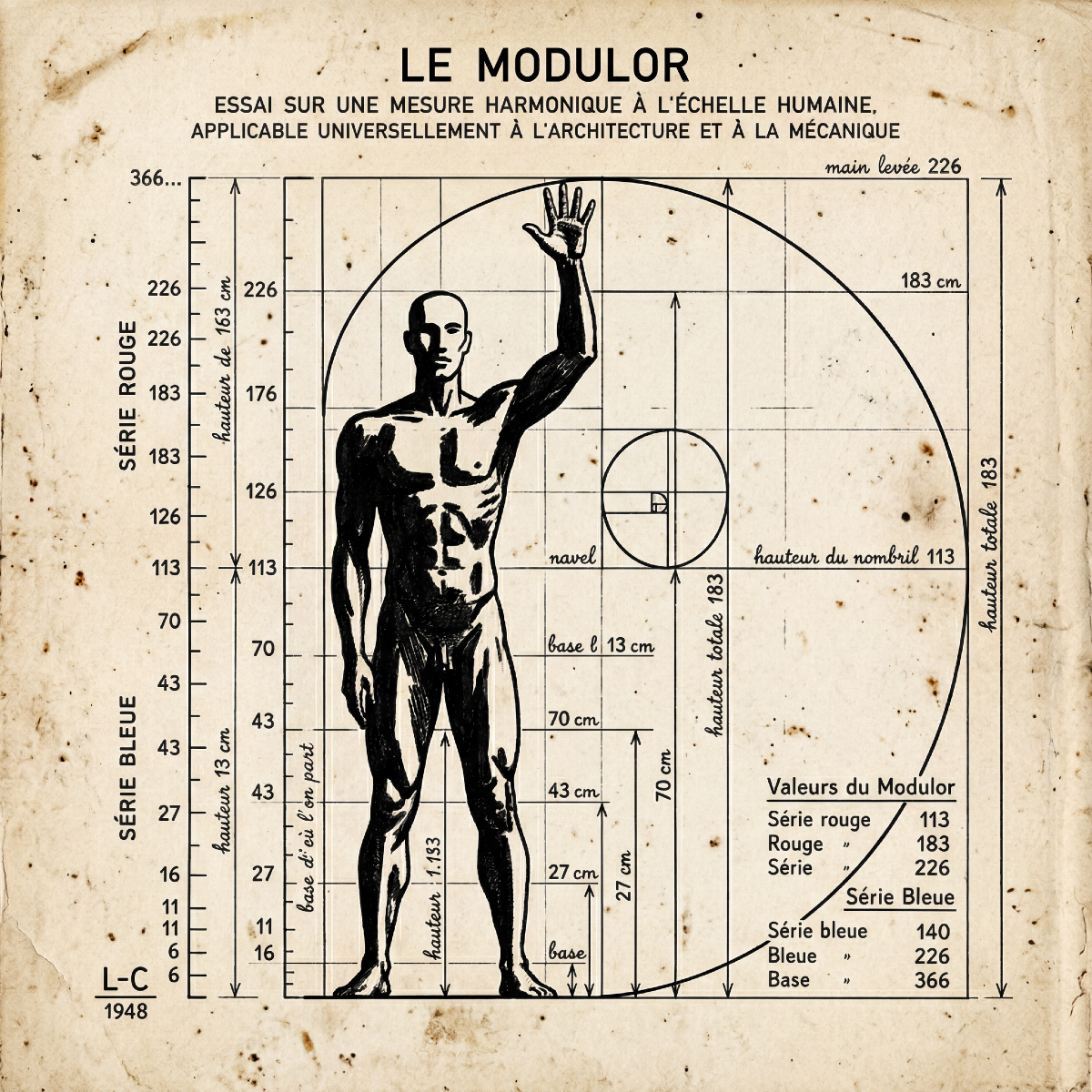
In the middle of the twentieth century, at a moment when architecture was rapidly aligning itself with industry, standardization, and the logic of the machine, Le Corbusier proposed something at once rational and poetic: a system of measurement rooted not in abstract units, but in the human body. He called…

Please Read On ...

Post-Modernism Premises

Postmodernism (roughly 1960s/70s–1990s) reacted against modernism’s faith in progress, universal truths, originality, and “grand narratives” (e.g., art constantly advancing toward pure form or social utopia). It embraced irony, pastiche, appropriation, the blurring of high/low culture, and skepticism about stable meaning. Think Cindy Sherman’s film-still self-portraits questioning identity, Jeff Koons’ balloon…

Please Read On ...